
Benefits of After-School Clubs: Building Skills, Confidence, and Focus
Updated: Mar 19
For many families, the hours between school and dinner feel unstructured and rushed.
Children are tired.
Parents are still working.
Screens become the easiest solution.
Yet these afternoon hours hold enormous developmental potential.
Well-designed after-school clubs transform passive time into purposeful learning, building skills, confidence, focus, and independence in ways traditional classrooms often cannot.
Why After-School Clubs Matter
The school day builds foundational knowledge. After-school clubs build applied skills, independence, and identity.
Unstructured time often leads to passive screen use. In contrast, quality after-school programs and clubs provide:
Clear structure and routine
Qualified, supportive instructors
Small group sizes
Hands-on, project-based learning
A safe and inclusive environment
Research from organizations such as the Afterschool Alliance shows that structured after-school programs are linked to:
improved academic performance (26% improvement in math/science scores)
higher homework completion rates (90% vs 71% for non-participants)
reduced behavioural issues by 30%
better emotional wellbeing; children report feeling more "capable"
Clubs introduce children to subjects they may not encounter during the regular school day.

Trying different activities helps children discover their interests, strengths, and natural talents. It also allows them to connect skills across areas, for example, combining storytelling with game design or using coding to analyze sports performance.
6 Proven Benefits
1. Structured Time Builds Productive Habits
Regular after-school programs help structure a child’s week. Instead of drifting between boredom and screens, children:
follow predictable routines
learn time management
develop commitment to activities
build self-discipline
Consistency supports long-term wellbeing.
Many parents notice calmer evenings, improved sleep, and reduced screen conflicts when children participate in structured programs.
2. Academic Reinforcement Without Academic Pressure
Strong after-school clubs are not simply homework extensions. They reinforce learning in applied and engaging ways.

Children learn through creation and experimentation rather than worksheets.
A child debugging robot code, for example, practises problem-solving in a far more meaningful way than repetitive exercises.
3. Confidence Through Tangible Outcome
After-school clubs focus on doing, not just attending.
Children:
build projects
complete designs
publish stories
present ideas
solve real challenges
Visible Achievement = Lasting Self-Belief
Confidence earned through effort and creation is more durable than praise alone.
4. Social Skills and Emotional Development
Quality after-school programs support more than academic growth. Clubs often operate in smaller groups and more relaxed settings than traditional classrooms.
This encourages:
Collaboration
Communication
Conflict resolution
Leadership opportunities
Children who may feel reserved in large classroom settings often thrive in clubs centered around shared interests.
They take initiative.
They share ideas.
They build friendships around shared interests.
Belonging strengthens emotional wellbeing and resilience.
Resilience is especially important in a world shaped by academic pressure, social comparison, and rapid technological change.
5. A Healthy Alternative to Passive Screen Time
Children today are surrounded by algorithm-driven entertainment. After-school clubs offer active participation instead of passive consumption.
Instead of scrolling, children:
Design
Experiment
Solve
Create
This shift from consumer to creator mindset is one of the most valuable long-term benefits of structured after-school activities.
6. Early Exposure to Future-Ready Skills
Modern after-school programs increasingly include:
AI literacy
Coding and robotics
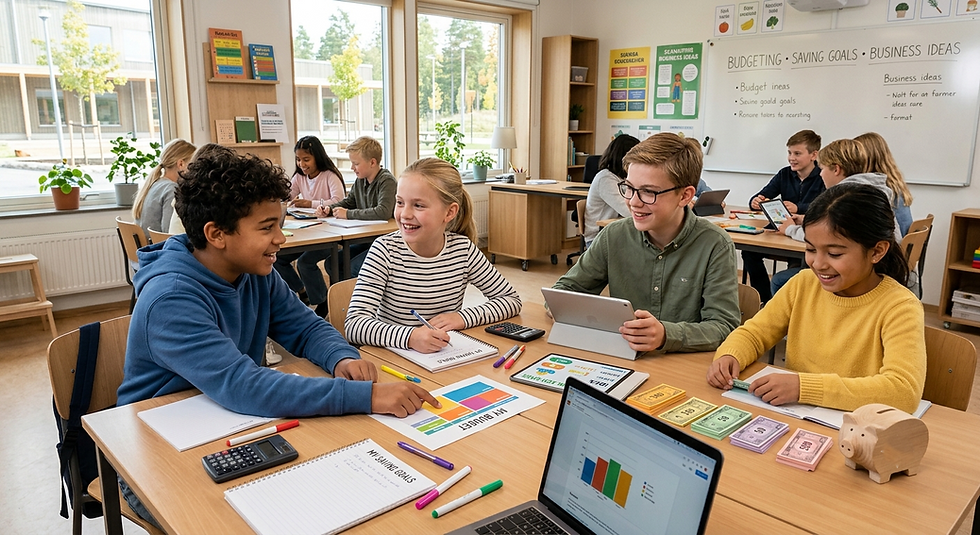
Entrepreneurship
Financial education
Creative design and maker activities
Early exposure builds familiarity without pressure. Children explore interests before academic streaming begins, which can positively influence long-term confidence and career curiosity
Choosing the Right After-School Club
When selecting a program, look for activities that both match your child’s interests and gently stretch their abilities. Clubs that combine creativity, technology, communication, and hands-on projects can be especially impactful.
In Stockholm, some programs such as those offered by GowReads, are designed specifically to combine future-ready skills (coding, AI, and entrepreneurship) with creativity and confidence-building projects (book publishing, clay modelling, and digital storytelling). These courses help children build confidence while developing practical skills.
The right after-school environment does not overload children. It energizes them.


Comments