
Python for Kids: How Debugging Builds Resilience and Problem-Solving Skills
Quick Answer: Python helps kids build resilience and problem-solving skills by teaching them how to handle mistakes, think logically, and persist through challenges. Debugging turns errors into learning opportunities, helping children develop confidence and a growth mindset that extends far beyond coding.
Why Debugging Is One of the Most Important Skills Kids Can Learn
When parents talk about Python for kids, the focus is often on future careers in technology. However, the true value of learning Python lies in something far more immediate and human: developing resilience and problem-solving skills.When a child encounters an error in their code, they are not just fixing a program, they are learning how to respond to challenges. In a world of instant answers, debugging teaches patience, persistence, and structured thinking. It shifts the focus from avoiding mistakes to learning through them.
How Python Debugging Builds Resilience and a Growth Mindset
Python is one of the best programming languages for beginners because its error messages are clear and readable. When children learn to interpret tracebacks, they begin to identify the root cause of a problem instead of reacting emotionally. While the first error may feel frustrating, coding creates an environment where mistakes are never final. A bug is temporary and fixable. This encourages children to slow down, focus, and approach problems step by step.
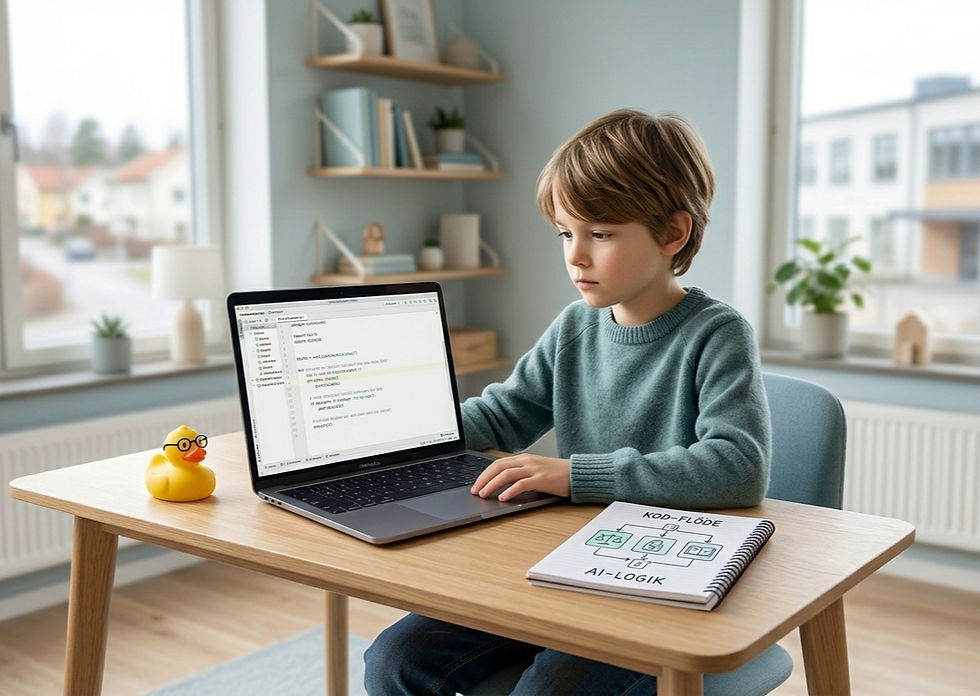
Over time, they learn to break complex challenges into smaller parts. This builds a sense of control and shifts their mindset from “I made a mistake” to “this can be fixed.” That shift is the foundation of a growth mindset, where errors become logical puzzles rather than failures.
Building Problem-Solving Skills Through Python Coding
Debugging is structured problem-solving in action. Children learn to observe what is happening, test solutions, and adjust their approach when something doesn’t work. This way of thinking extends beyond coding. Whether solving a math problem, working on a school project, or handling a real-life situation, the same mindset applies. Instead of giving up, they learn to analyze, adapt, and try again.
How Coding Teaches Collaboration and Communication Skills
Another important aspect of debugging is that it is rarely a completely solitary activity. Children often explain their code, talk through their logic, or seek help from peers and mentors. This teaches them that asking for help is not a weakness but a strategy. It also builds communication skills and reinforces an important lesson: asking for help is part of solving a problem. Over time, children become more confident in expressing their ideas and working collaboratively.
From Python Coding to Real-Life Confidence and Resilience
Python’s simplicity and immediate feedback make learning interactive and engaging. More importantly, the resilience developed through debugging extends beyond the screen. Children begin to approach challenges in other areas of life with the same mindset. In an age of instant gratification, debugging offers a valuable lesson: meaningful progress often requires time, effort, and multiple attempts. This understanding builds confidence and prepares children to handle both academic and personal challenges.
At GowReads, Python is used not just to teach coding, but to develop thinking skills. Through guided, hands-on projects, children learn to debug, stay calm under pressure, and approach challenges with clarity. The goal is to help children move from passive users of technology to active problem-solvers and creators who understand how things work. These skills extend far beyond programming. Today, the ability to solve problems, adapt, and keep trying may be one of the most valuable advantages a child can have.


Comments