
The Benefits of Multisport for Children
Is Multisport Better Than Early Specialization for Kids?
Yes. Multisport participation helps children develop stronger overall physical skills, reduces injury risk, and builds long-term athletic confidence. Instead of specializing early, exposure to a variety of sports creates balanced, adaptable, and resilient young learners.
The Myth of Early Specialization in Youth Sports
In today’s increasingly structured world of children’s activities, many parents feel pressure to help their child “pick a sport” early and commit to it. Whether it is football, gymnastics, tennis, or swimming, early specialization is often seen as the fastest path to success. Many believe that starting earlier and focusing on one sport gives children a competitive advantage.
However, research and modern youth development trends suggest the opposite. A multisport approach, where children engage in a variety of physical activities, offers far greater benefits for overall physical development, especially during the early years. Instead of training the same movement patterns repeatedly, children benefit more from exploring different forms of movement that help them grow stronger, smarter, and more adaptable.
How Multisport Builds Physical Literacy and Prevents Injury
At its core, multisport training for kids is about variety. Each sport challenges the body in different ways. Football builds endurance and teamwork, gymnastics improves flexibility and body control, while basketball, tennis, and handball strengthen coordination, agility, and reaction speed. Children not only learn different games but also build a wide foundation of movement skills known as physical literacy.
Physical literacy includes balance, coordination, strength, speed, confidence, and spatial awareness. It is the foundation for both long-term athletic performance and overall health. A child who only focuses on one sport may become highly skilled in specific movements but may miss out on developing other equally important physical abilities. For example, a child who only plays football may build stamina but not necessarily flexibility or upper body strength. Multisport participation ensures that development stays balanced.
Another major advantage of this approach is injury prevention. Repeating the same movements in a single sport for years can lead to overuse injuries, especially in growing children. Young bodies are still developing, and too much stress on the same muscles and joints can create long-term problems. By rotating between different sports, children naturally use different muscle groups and movement patterns. This reduces repetitive strain and supports healthier physical development.
Why Variety Builds Confidence, Motivation, and Long-Term Success
Multisport activities also play an important role in keeping children motivated and engaged. Children are naturally curious and often thrive when they are exposed to new challenges. Playing the same sport all year can sometimes lead to boredom, pressure, or burnout. Variety keeps physical activity exciting and gives children the freedom to discover what they genuinely enjoy.
This exploration also strengthens confidence. A child who may struggle in one sport might discover a natural talent in another. These small wins across different activities help build self-esteem and encourage a growth mindset and the understanding that skills improve through effort and practice. Over time, this mindset becomes far more valuable than short-term success in a single sport.
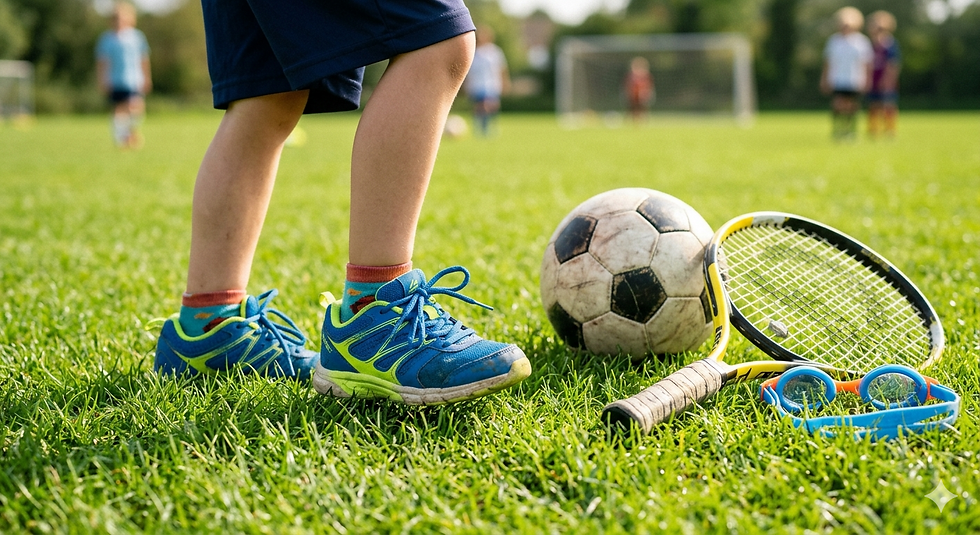
Interestingly, many elite athletes did not specialize early. They spent their childhood exploring multiple sports before choosing one to focus on later. This broad athletic background often gives them an advantage because skills transfer across disciplines. Balance from gymnastics, agility from basketball, and endurance from running can all strengthen performance in a primary sport later in life.
For parents, the takeaway is simple: early variety leads to long-term success. Encouraging children to join multisport programs, team games, outdoor play, and movement-based activities creates a stronger physical and mental foundation. It shifts the focus from short-term competition to lifelong development.
At GowReads, this philosophy is reflected in programs that combine sports, creative activities, and structured learning. The goal is not simply to keep children busy during summer or after school, but to help them grow into confident, adaptable individuals. Through multisport sessions, team games, and camps that balance physical movement with creativity and skill-building, children experience learning in a more holistic way.
In a world where early specialization is often overvalued, multisport offers a smarter and more sustainable path. It builds stronger bodies, reduces injury risks, and most importantly, helps children enjoy the process of being active. That enjoyment is what creates healthy habits that last for life.


Comments